While they bear our weight all day, our feet deserve a little attention. The best way to take care of them, while keeping them smooth and soft, is to exfoliate regularly. Coffee grounds, sugar scrubs, exfoliating gloves… What should you use to exfoliate your feet? Which recipe is most effective? Let’s discover together the best exfoliating recipes for soft feet.
Why exfoliate your feet?
Our feet are often enclosed in shoes, which leads to the accumulation of dead skin cells. This can cause calluses and rough skin. Regular foot exfoliation helps prevent these problems while providing a moment of relaxation. A simple skincare routine can become a wellness ritual.
What are the benefits of foot scrubs?
A foot scrub isn’t just a beauty treatment. It’s also essential for maintaining comfortable and healthy feet.
- Removes dead skin cells: Exfoliating helps remove dead skin, making feet softer and smoother.
- Prevents calluses: Exfoliating regularly can prevent the formation of calluses, which can become painful.
- Improves blood circulation: The circular massage during exfoliation stimulates blood circulation, contributing to overall foot health.
- Optimal absorption of moisturizers: After exfoliating, the skin is more receptive to moisturizing creams and oils, improving their effectiveness.
What types of scrubs or exfoliants are recommended for feet?
First of all, a quick reminder: Is there a difference between an exfoliant and a scrub? Absolutely. Although both aim to remove dead skin cells, they don’t do so in exactly the same way. Exfoliation is generally mechanical, while exfoliation can also be chemical or enzymatic.
Mechanical scrubs: Using exfoliating grains such as sugar, apricot kernels, or sea salt, for example, these scrubs are ideal for thick, rough skin. They remove dead skin cells and soften the skin through friction. This is the best way to remove dead skin from the feet.
Chemical exfoliants: Here, acids such as AHAs (alpha hydroxy acids) or BHAs (beta hydroxy acids) are used. These exfoliants dissolve dead skin cells without friction. AHAs, such as glycolic acid and lactic acid, improve skin texture, while BHAs, such as salicylic acid, penetrate deeper into pores to exfoliate from within.
Enzymatic exfoliants: Containing fruit enzymes like papain (from papaya) or bromelain (from pineapple), these exfoliants gently dissolve dead skin cells. These enzymes break down dead skin proteins, allowing for natural and gentle exfoliation. They reduce the risk of micro-lesions and are therefore ideal for delicate and sensitive skin.
How to do a good foot scrub?
To perform an effective foot scrub, it’s important to adopt the right techniques and properly prepare your skin:
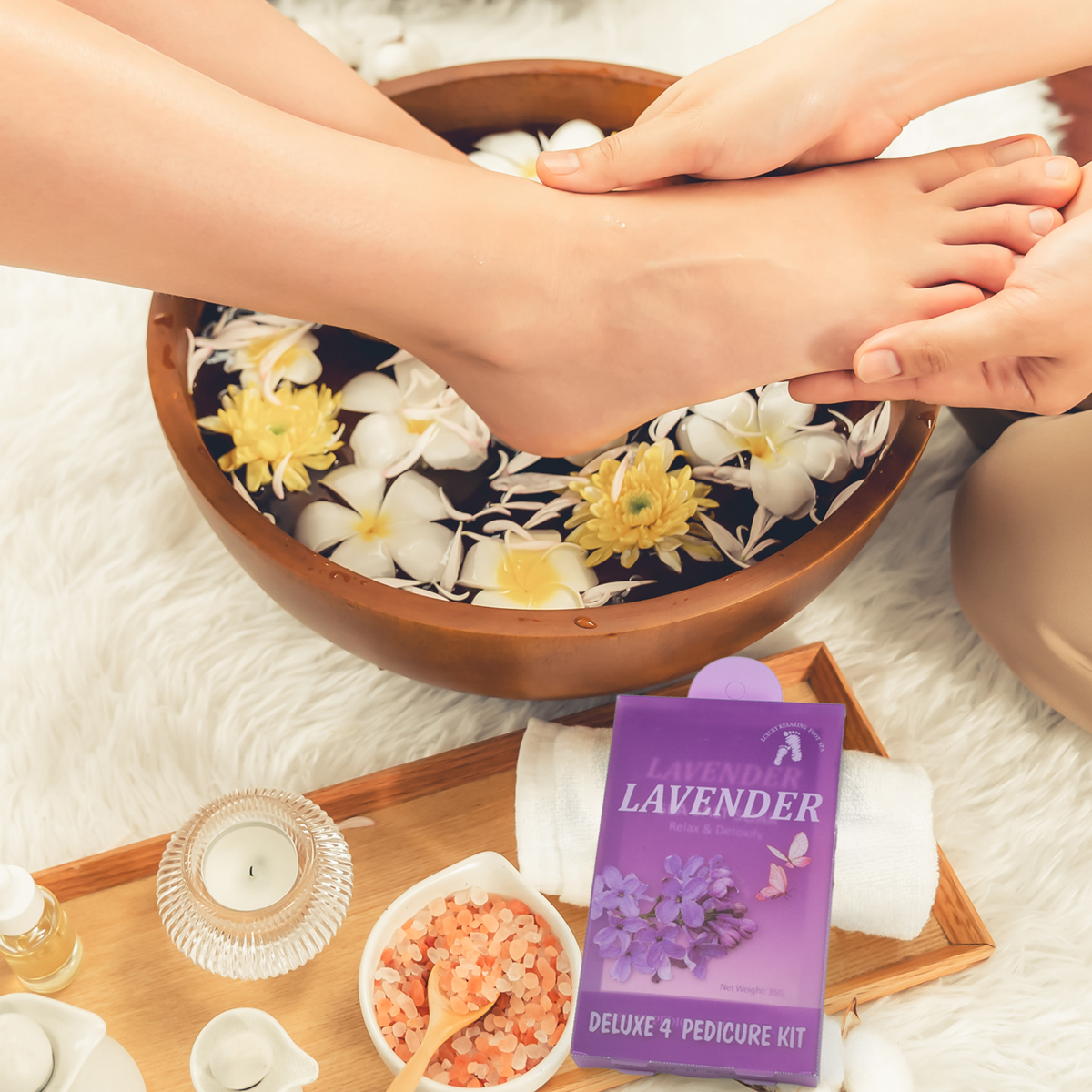
1. Soften the skin: Start by soaking your feet in a warm bath for 10 to 15 minutes. You can add Epsom salt or baking soda for a relaxing and softening effect.
2. Apply the scrub: Apply the scrub of your choice to your wet feet. Take a sufficient amount to cover the entire surface of your feet.
3. Massage in circular motions: Massage your feet using circular motions. Pay particular attention to rougher areas such as the heels and sides of the feet.
4. Rinse and moisturize: After massaging, rinse your feet with warm water to remove any remaining scrub. Dry them thoroughly with a soft towel. Then apply a moisturizer to protect the skin and prevent dry feet.
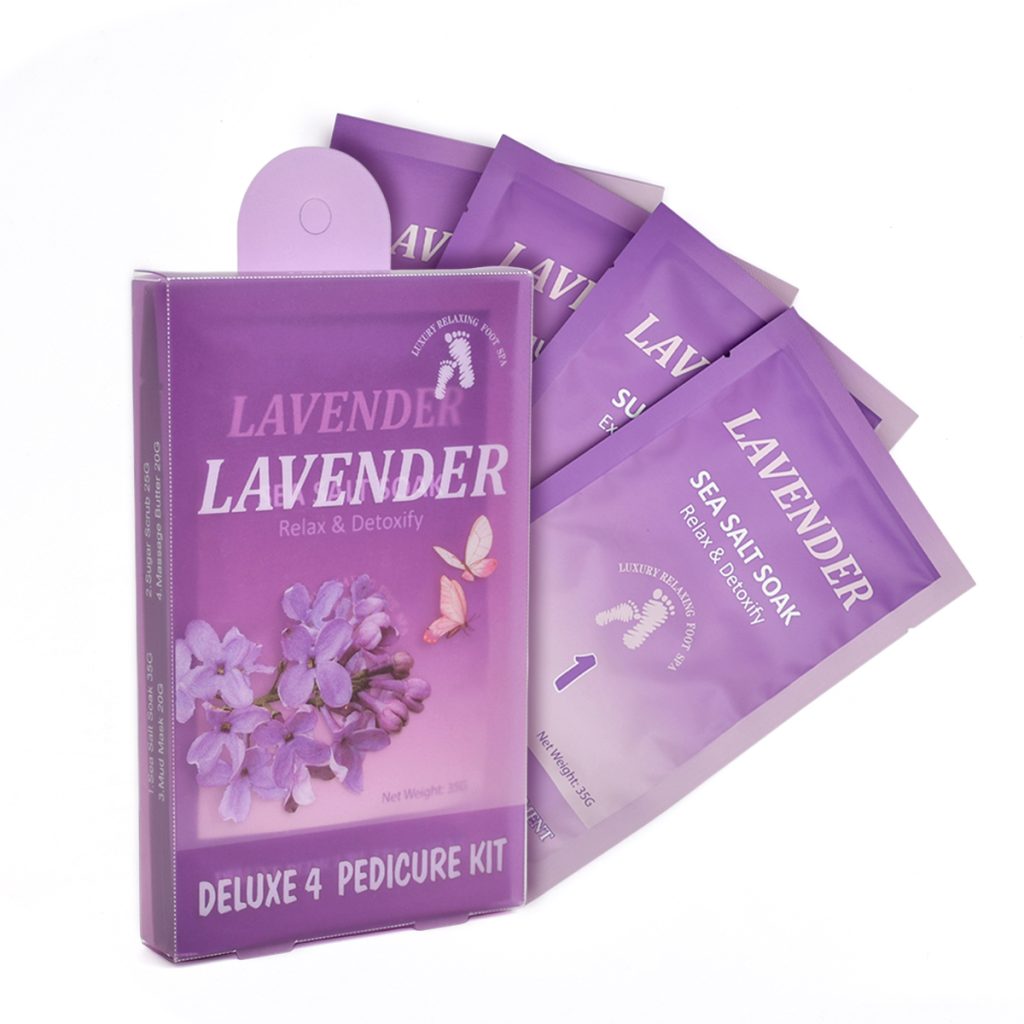
Tips: Maybe a deluxe 4 pedicure kit can better meet your needs.
Take care of your feet at home
To have beautiful feet, it’s not necessarily necessary to make an appointment at a salon. By knowing a few good habits, you can easily perform a wide range of homemade foot treatments. In addition to a foot bath using a hydromassage device or a basin filled with warm water, there are plenty of simple rituals that can significantly improve the appearance and health of your feet.
Start by drying them thoroughly after showering. It may seem like a small thing, but it’s essential to prevent bacteria or fungus from developing between our toes, for example. Once you’ve finished your foot bath, take advantage of your softer skin to file away calluses. This requires a simple foot care tool: a pumice stone. Run it over all areas where the skin has thickened and remove it. You’ll feel relief very quickly. To remove dead skin, you can also do a scrub, it will also make your feet extremely soft, and they will regain all their shine. No need to go buy specialized products, you can go directly to your kitchen and mix olive oil and salt. Guaranteed results. Finally, remember to moisturize and deeply nourish your feet every day. This is a very stressed area, they need repair. Also try not to wear socks all the time to let them breathe.
Caution
Before using a new product or recipe, test it on a small area of your skin to make sure you don’t experience an allergic reaction.
Do not use scrubs or exfoliants if you have open wounds.
Finally, don’t scrub too often to avoid damaging your skin. Once or twice a week is sufficient.
Read also: Fingernail Fungus: Discover 5 Tips to Get Rid of It Fast